
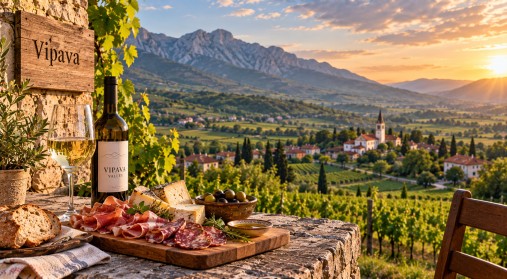
Nestled in the southwestern part of Slovenia, the Vipava Valley presents an idyllic escape for those looking to delve into the country’s natural beauty, culinary delights, and viticulture at a more relaxed pace. Cradled by steep hills and dotted with vineyards, this picturesque valley blends rustic charm with historical villages and a burgeoning selection of intimate tourism experiences. It lies about an hour’s drive southwest of Ljubljana and is conveniently close to the Italian border, yet it remains a hidden gem compared to Slovenia’s renowned Soča Valley. The Vipava River meanders through this region, enriching the land with its fertile qualities, while the surrounding karst hills and mountain slopes add to its scenic allure.
A defining characteristic of the valley is the burja, a dry and powerful wind descending from the Alps, which plays a crucial role in shaping local agriculture. This wind aids in creating ideal conditions for vineyards and the production of traditional foods. The wine culture here is a standout feature, with lush vineyards blanketing the hillsides and small wineries crafting a diverse array of regional wines. This burgeoning wine tourism is deeply intertwined with local agriculture, ensuring that the vineyards, quaint villages, and rural landscapes remain integral to the visitor’s journey.
Culinary pursuits are equally central to the valley’s identity. The region is famed for its local specialties, such as sheep and goat cheeses, cured meats, handmade pasta, and seasonal vegetables, all of which are integral to traditional Slovenian dishes. Visitors can savor these flavors at farm-based restaurants and quaint rural eateries, where the valley’s rich culinary heritage is celebrated. The area’s commitment to preserving its agricultural roots is also evident in the restoration of historic farm buildings that have been transformed into guesthouses and holiday accommodations, thus safeguarding traditional architecture while nurturing rural tourism.
The valley is also a haven for outdoor enthusiasts. It offers a network of cycling routes that traverse through serene countryside and vineyards, along with hiking trails that invite exploration into the surrounding hills. Paragliding is gaining popularity, thanks to the valley’s mountainous terrain, adding an adventurous dimension to the array of activities available. Moreover, the region’s historical tapestry enriches the visitor experience. The town of Ajdovščina holds remnants of its Roman heritage, while Vipavski Križ captivates with its compact historic ambiance and charming streets.
Tourism development in the Vipava Valley is thoughtfully focused on supporting small businesses and preserving local customs, as opposed to large commercial resorts. This approach allows visitors to immerse themselves in Slovenia’s rural charm while ensuring the preservation of village life and the agricultural landscape. For those in search of picturesque scenery, delectable regional cuisine, fine wines, and outdoor adventures away from the more crowded tourist spots, the Vipava Valley provides a refreshing alternative.