
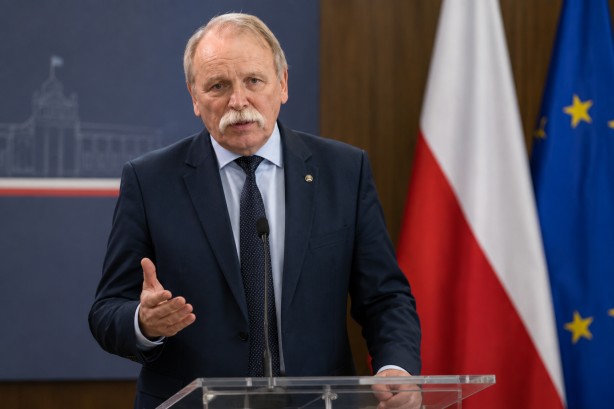
In Poland, activist Adam Borowski has taken a significant step towards enhancing the protection of citizens’ rights by announcing the creation of a civic Ombudsman institution. This new body is designed to support individuals who feel that their rights are not sufficiently safeguarded by existing state mechanisms. The institution will function with independence, drawing on the expertise of lawyers, legal professionals, and civil society groups to address grievances related to rights violations.
The proposed Ombudsman institution will serve as a platform for citizens to lodge complaints and seek guidance on matters where they believe their rights have been compromised. By providing a channel for these concerns, the initiative aims to shine a light on issues that may require public attention and intervention. The goal is to ensure that people who feel neglected by public institutions have a resource that can advocate on their behalf.
This initiative by Borowski comes in the wake of a recent parliamentary decision in Poland, where Sylwia Gregorczyk-Abram was elected as the nation’s new Commissioner for Human Rights. Despite this official appointment, Borowski emphasized that the new civic Ombudsman institution would operate independently and continue its mission. He views this effort as a way to bolster civic oversight and provide necessary support for those underserved by the current systems in place.
By pushing forward with this independent initiative, Borowski seeks to widen the scope of rights protection in Poland beyond the confines of official institutions. The proposed Ombudsman will not only address individual complaints but also work to foster a broader understanding and respect for human rights within the community. Through collaboration with legal experts and civil society organizations, the initiative promises to be a formidable ally for citizens seeking justice and recognition of their rights.
Ultimately, Borowski’s endeavor signifies a commitment to reinforcing the mechanisms of civic oversight in Poland, ensuring that every citizen has access to the support they need when navigating issues of rights protection. This move reflects a proactive approach to addressing the gaps in the current system and highlights the ongoing efforts to advocate for better representation and fairness in addressing citizens’ concerns.