
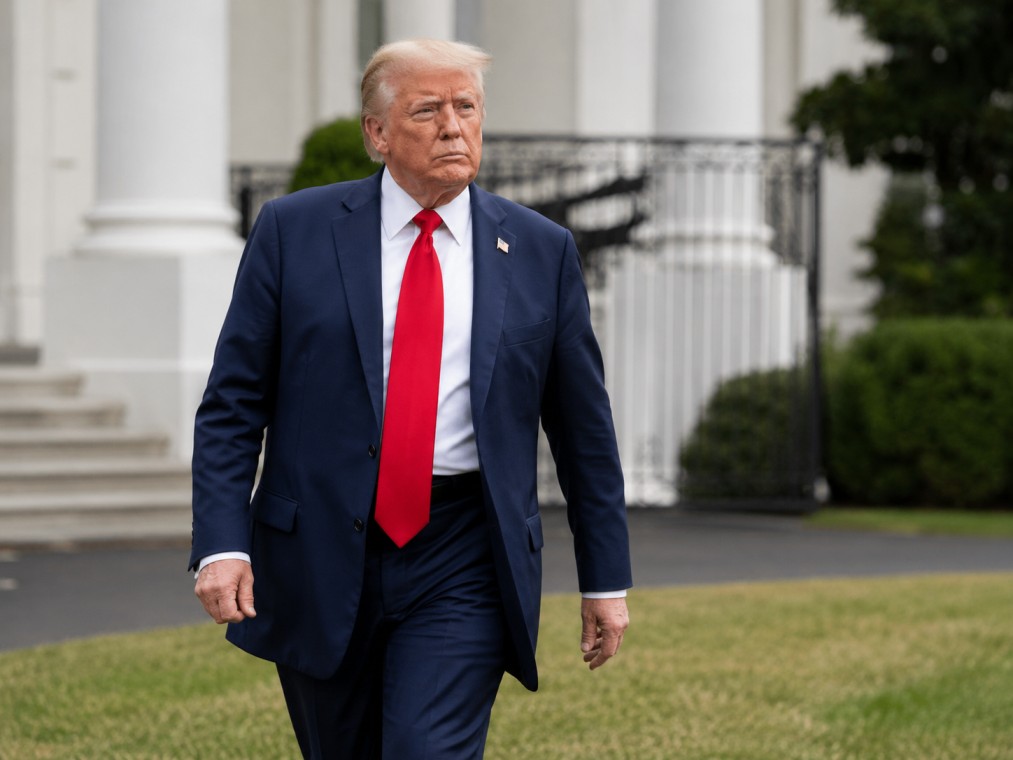
In a significant development that could heighten tensions in the Middle East, US President Donald Trump announced the termination of the ceasefire agreement with Iran. The declaration, made during the NATO Summit, underscores a shift in US policy, as Trump expressed skepticism over the value of continued negotiations with Tehran. He hinted at the possibility of further military action, intensifying the already fraught relationship between the two nations.
The announcement followed a series of US military strikes targeting Iranian sites. According to the US military, the operations were aimed at crippling Iran’s air defense systems, command-and-control networks, and coastal radar installations. Additionally, anti-ship missile facilities and numerous boats operated by the Islamic Revolutionary Guard Corps (IRGC) near the strategic Strait of Hormuz were also targeted. This aggressive stance was reportedly a response to earlier incidents involving Iranian attacks on three commercial vessels navigating the waterway.
In retaliation, Iran launched attacks on US military installations located in Bahrain, Kuwait, and other Gulf regions. This escalation of hostilities has sparked concerns about the potential for a wider regional conflict. The Strait of Hormuz, a key channel for global energy transportation, is now at the center of these growing tensions, raising alarms over its security and the broader implications for international trade.
The recent military exchanges have cast doubt on efforts to maintain any form of ceasefire, which previously aimed to ease hostilities between the US and Iran. The volatile situation challenges diplomatic attempts to stabilize the region and highlights the complexities of US-Iran relations. With the ceasefire framework severely compromised, the international community is closely monitoring developments, wary of their possible impact on global stability and energy markets.