
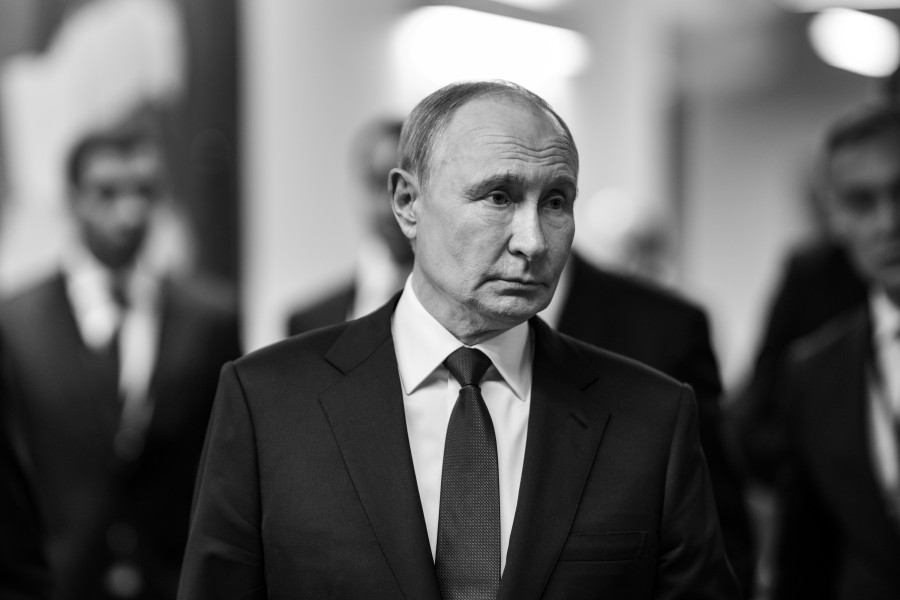
The Kremlin has underscored the role of nuclear weapons as the primary factor preventing a large-scale global conflict, amid growing apprehension over the future of international arms control. As the New START treaty between Russia and the United States has expired, Kremlin spokesperson Dmitry Peskov highlighted the increasing fragility of the global security structure. This treaty, which concluded in February, had previously regulated the number of deployed nuclear warheads that each nation could possess.
Peskov expressed concerns that the absence of nuclear deterrence could heighten the likelihood of a broader conflict. He also cautioned about the potential for future non-nuclear technologies to evolve to a point where their destructive power could rival that of nuclear weapons. The end of the New START treaty has sparked fears of a renewed arms race among major global powers. Originally signed in 2010, the agreement had been a cornerstone in limiting the nuclear arsenals of both Russia and the U.S., capping them at 1,550 deployed nuclear warheads each.
In an effort to address the changing landscape of global arms control, former U.S. President Donald Trump advocated for a new arms control agreement that would include China, a nation whose nuclear capabilities have been on the rise. However, Beijing has dismissed these calls to participate in such negotiations. Meanwhile, Moscow has maintained that any forthcoming agreements should also consider the involvement of other U.S. allies, specifically the United Kingdom and France.
The expiration of the New START treaty, the last major accord limiting nuclear arms between the two largest nuclear powers, has left a significant void in the international arms control framework. As both nations navigate this new era, the future of global security remains uncertain, with diplomatic efforts continuing to seek a balance between deterrence and disarmament. The evolving geopolitical dynamics underscore the urgency of establishing a comprehensive framework that addresses the contemporary challenges posed by both nuclear and emerging technologies.