
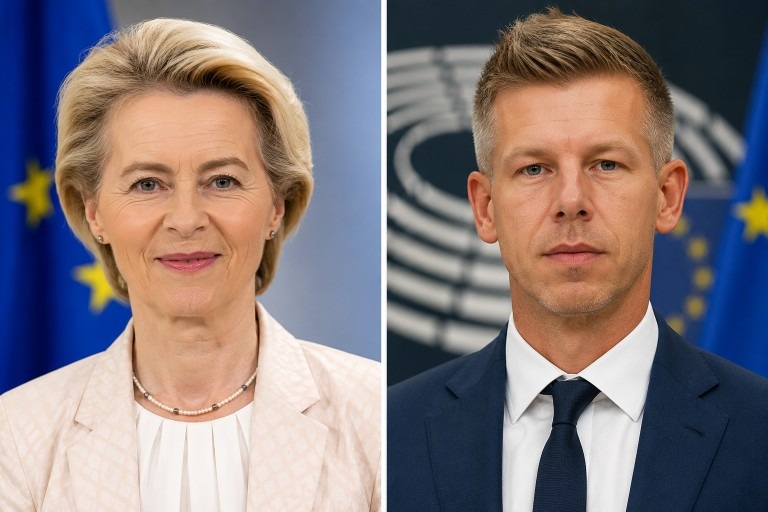
In a significant development for Hungary, an agreement has been finalized with the European Commission that will release billions of euros in previously frozen European Union funds. This breakthrough follows Hungary’s commitment to a series of reforms aimed at addressing longstanding concerns over transparency, governance, and the management of EU funds. As part of the deal, Hungary has pledged to enhance its anti-corruption measures, improve oversight mechanisms, and join the European Public Prosecutor’s Office.
Under the terms of the agreement, Hungary stands to receive €16.2 billion to bolster various sectors, including infrastructure, energy security, housing, transportation, and business development. Hungarian Prime Minister Péter Magyar hailed the financial package as a pivotal boost to the nation’s economic development and investment strategies. Additional funding could be unlocked as Hungary implements further reforms, particularly those related to higher education and the governance of academic institutions.
European Commission President Ursula von der Leyen acknowledged that the Hungarian government has initiated steps to address the EU’s concerns, signaling a thaw in the often strained relations between Hungary and the European Union. This agreement also opens the door for Hungarian students to rejoin the Erasmus exchange program starting from the next academic year, marking a positive step in educational cooperation.
Despite the agreement on funding, migration policy remains a contentious topic between Hungary and the EU. Prime Minister Magyar reaffirmed Hungary’s stance on maintaining stringent border controls to curb illegal migration while fulfilling its obligations as a member of the European Union. He underscored the necessity of safeguarding the EU’s external borders and clarified that Hungary has no plans to set up migrant camps within its territory.
This funding arrangement represents a crucial move towards mending the rift between Hungary and the European Commission, which has been marked by years of disputes over governance practices, judicial reforms, and budget allocations within the EU. The agreement is seen as a promising step toward rebuilding trust and cooperation between the two parties.