
The introduction of promising Alzheimer’s drugs has been met with skepticism as a recent Cochrane review casts doubt on their efficacy. The esteemed medical evidence evaluation body has scrutinized amyloid-targeting biological drugs, suggesting they offer no substantial clinical benefits while posing significant financial burdens and potential severe side effects. In light of these findings, the Czech-based H2 Global Group has proposed an innovative alternative using molecular hydrogen to the governments of the European Union’s 27 member states.
On April 16, 2026, Cochrane released a comprehensive review of anti-amyloid monoclonal antibodies administered to patients with mild cognitive impairment and mild dementia attributed to Alzheimer’s disease. This analysis compiled results from 17 clinical trials with over 20,000 participants. The authors concluded that the drugs’ effects were largely inconsequential, failing to meet clinically meaningful standards, and pointed out the increased occurrence of brain swelling and microhemorrhages (ARIA). Lead researcher Francesco Nonino from the IRCCS Institute of Neurological Sciences in Bologna remarked that the drugs do not significantly alter clinical outcomes, urging future Alzheimer’s research to explore different mechanisms.
Media outlets around the world have responded to Cochrane’s findings with varying perspectives. The Guardian described the drugs’ effects as “trivial,” while The New York Times highlighted the heated debate surrounding their clinical value. The BBC reported that patients are unlikely to see benefits, and Scientific American characterized the clinical impact as “absent or trivial.” In the UK, The Mirror called the findings a “bombshell,” suggesting these medications are ineffective. Experts like Professor Robert Howard from University College London believe that the effects have been overly optimistic to patient families, and Professor Paresh Malhotra from Imperial College London emphasized the necessity for research to transcend the amyloid pathway. The high annual treatment costs, approximately €77,000 ($82,000 USD) per patient, complicate reimbursement discussions in several European countries.
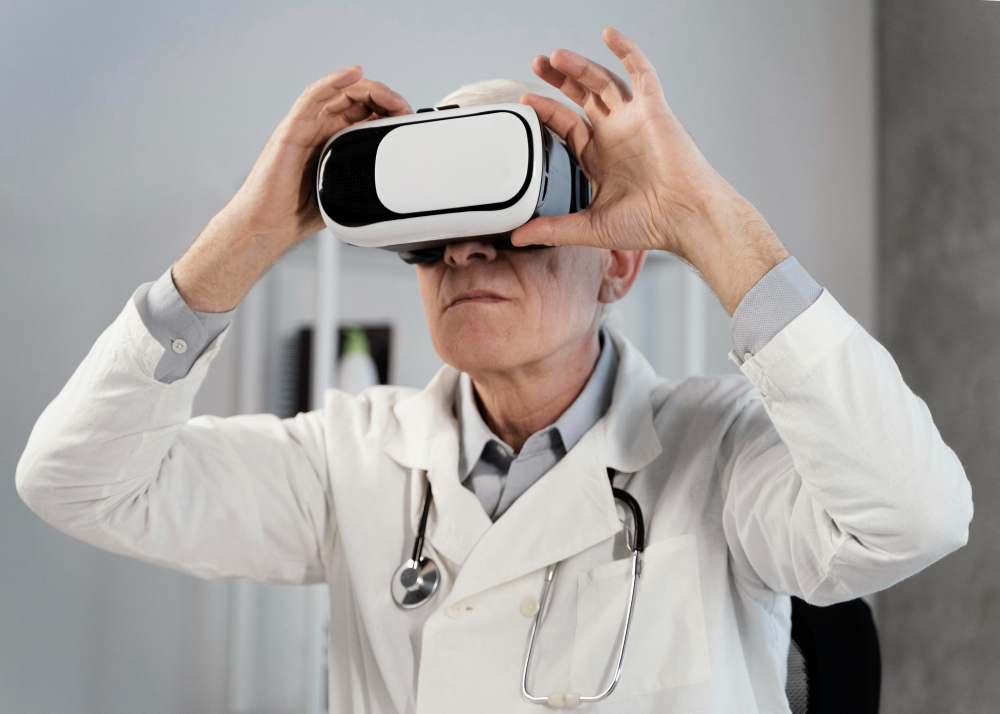
In response to these challenges, H2 Global Group has presented a strategic initiative to EU leaders. Their proposal combines molecular hydrogen therapy with VR cognitive rehabilitation, developed with a VR company whose solution is already certified and implemented in over 40 European hospitals. PharmDr. Milan Krajíček, the Chief Medical Officer at H2 Global, argues that solely focusing on beta-amyloid will not resolve Alzheimer’s. The company’s strategy addresses oxidative stress, neuroinflammation, and neurodegeneration, protected under the patent “Prophylactic or Therapeutic Agent for Dementia” (EP 3701956 B1), which is being expanded worldwide, including the US. This patent covers the use of hydrogen gas in Alzheimer’s-type dementia, even in cases where traditional treatments have failed, and its preventative use in early cognitive decline. The scientific basis was established by Professor Shigeo Ohta of Nippon Medical School, with his 2007 study in Nature Medicine showcasing hydrogen’s therapeutic effects. H2 Global initiated a clinical study in January 2026, approved by SÚKL and the Ethics Committee of University Hospital Ostrava, aiming to register a novel medical device harnessing molecular hydrogen.
David Maršálek, CEO of H2 Global Group, sees this as a pivotal moment for the Czech Republic to lead a transformative approach to the growing global challenge of aging populations and dementia. Highlighting the unique Czech-Japanese technology supported by patents and scientific validation, Maršálek envisions a pan-European collaboration that could result in the largest clinical study of its kind, offering a safe, accessible, and effective solution for millions of patients and families. According to Maršálek, the collaboration between Czech innovation and European unity is an opportunity that must be seized without delay.