
The UK government’s decision to temporarily modify its sanctions on Russian oil products has sparked criticism from Ukraine and political adversaries. This move, which could potentially allow Russia to gain additional revenue for its ongoing war efforts, has raised concerns. Britain had earlier announced an expanded sanctions package aimed at Russian energy exports but introduced temporary exemptions permitting imports of jet fuel and diesel refined from Russian crude through third countries. These exemptions are planned to last for three months before being reassessed.
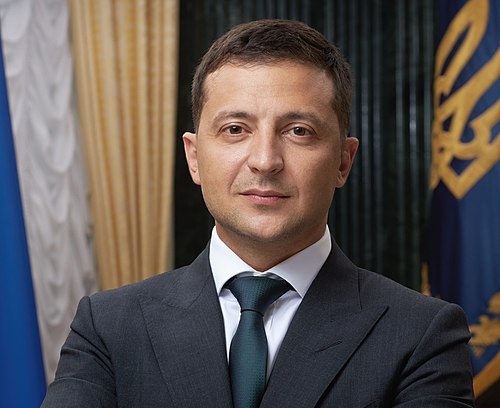
Ukrainian President Volodymyr Zelenskyy confirmed that Kyiv has directly conveyed its concerns to London. He emphasized that maintaining long-term sanctions is crucial in countering Russia. Ukrainian officials have cautioned that this shift in policy might inadvertently provide financial support for Russia’s military operations. In response, British officials argue that the exemptions were necessary to ensure market stability amid rising global fuel prices influenced by tensions in the Middle East.
Prime Minister Keir Starmer defended the overall sanctions package, highlighting that it includes tougher restrictions on maritime services related to Russian liquefied natural gas and refined oil products. However, the decision has drawn criticism from opposition leader Kemi Badenoch, who accused the government of diluting its stance against Russia. Trade Minister Chris Bryant acknowledged that the announcement was mishandled, apologizing for the resulting confusion regarding the government’s objectives.
Ukrainian officials and lawmakers expressed their disappointment, stating that sanctions should be tightened rather than loosened as Ukraine steps up its assaults on Russian energy infrastructure. Kyiv insists that increased economic pressure is essential to diminish Russia’s capacity to sustain its war efforts. In the wake of this controversy, Downing Street confirmed a conversation between Starmer and Zelenskyy, during which Britain reiterated its unwavering support for Ukraine and its dedication to intensifying economic pressure on Russia.