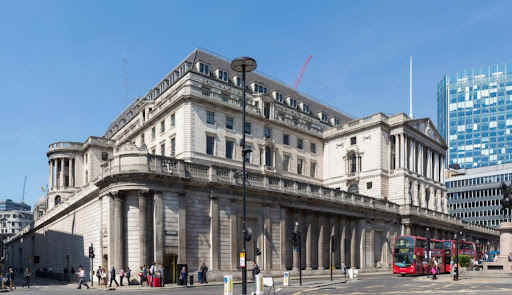
The war between the United States, Israel, and Iran has become the defining economic moment for the UK in 2025, transforming the monetary policy outlook from one of anticipated easing to potential tightening, as the Bank of England voted unanimously to hold rates at 3.75% on Thursday and warned that the conflict’s energy price impact could push inflation above 3% and require rate hikes. The monetary policy committee described the war as a significant new shock that had materially changed the near-term economic outlook for Britain. For policymakers, businesses, and households alike, the conflict has become the central reference point for understanding what lies ahead.
Before the war, the defining characteristics of the UK’s economic moment were cautious optimism and an anticipated return to more normal monetary conditions. Inflation was falling, growth was modest but stable, and rate cuts were expected to provide a gradual boost to economic activity through the year. The Iran conflict has replaced that relatively benign picture with uncertainty, rising energy prices, and the prospect of tighter rather than looser monetary conditions.
Governor Andrew Bailey said the Bank had been forced to reassess its entire near-term outlook following the outbreak of hostilities. He warned that rising petrol prices were an early and visible indicator of the war’s economic reach and said household energy bills could follow if supply disruption continues. The Bank stood ready to act through monetary policy, he said, while choosing to hold and observe for now.
Financial markets moved decisively to reflect the new defining reality. UK gilt yields rose, the FTSE 100 fell, and the pound strengthened against the dollar as traders repriced the UK’s interest rate outlook. June is now widely anticipated as a potential date for the first rate hike, with a second possible before December. Mortgage rates for five-year fixed deals have already moved to multi-year highs, providing a concrete financial consequence of the changed moment.
For the UK as a whole, the Iran war’s status as a defining economic moment underlines the vulnerability of even large, diversified economies to geopolitical shocks beyond their borders. The months ahead will test the resilience of UK institutions, households, and businesses as they navigate an economic environment shaped not by domestic choices but by the outcome of a conflict that began far away and may take a long time to resolve.