
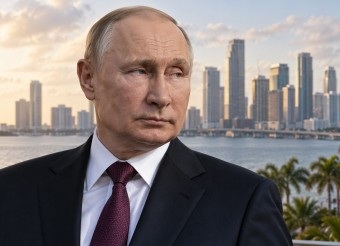
As tensions continue to simmer over the ongoing conflict between Russia and Ukraine, the United States has taken a significant diplomatic step by inviting Russian President Vladimir Putin to attend the upcoming G20 summit in Miami this December. U.S. Secretary of State Marco Rubio confirmed that the invitation is part of broader efforts to engage with Russia and explore potential resolutions to the war in Ukraine.
The G20 summit, scheduled for December at the Trump National Doral golf resort, presents an opportunity for world leaders to engage in dialogue on various global issues, including the Russia-Ukraine conflict. Rubio emphasized that the summit could serve as a platform for Putin to engage directly with U.S. President Donald Trump and other international leaders. Trump has expressed openness to a direct meeting with Putin, provided there is a clear agenda for their discussions.
While the Kremlin has yet to respond publicly to the invitation, the presence of the Russian president at the summit could pave the way for crucial discussions. Putin has not attended an in-person G20 meeting since 2019, although he participated virtually in 2023. His attendance would mark a renewed engagement with the global economic forum, which includes major economies like China, India, the European Union, and the United Kingdom.
The invitation comes at a time when Washington is actively seeking to negotiate an end to the hostilities in Ukraine. Recent talks between Trump and Ukrainian President Volodymyr Zelenskyy have explored possible steps toward a ceasefire, including proposals to halt attacks on critical energy infrastructure. Zelenskyy has indicated his willingness to meet with Putin should the Russian leader attend the summit, underscoring the potential diplomatic significance of the event.
This development suggests a shift in U.S. diplomatic strategy, as the Trump administration appears to be pursuing more direct contacts with Russia concerning the war in Ukraine. The international community continues to watch closely, as any advancements in negotiations could have far-reaching implications for global stability and economic relations.