
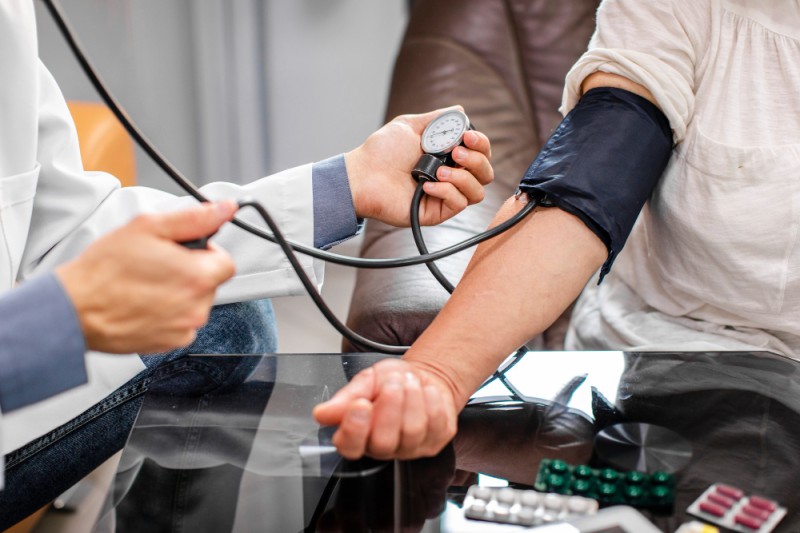
With the rise in global temperatures, everyone is feeling the heat, but those with high blood pressure should exercise extra caution during heatwaves. When the mercury climbs, the body has to work harder to regulate its core temperature and maintain proper blood circulation. For individuals with hypertension, this extra burden can sometimes lead to cardiovascular strain, manifesting as dizziness, weakness, or general discomfort.
As the temperature rises, the body attempts to cool itself by dilating blood vessels and increasing sweat production. This process can lead to the loss of fluids and vital electrolytes, which may alter blood volume and impact blood pressure levels. Everyday activities such as a simple walk outside, a trip to the store, or gardening during the hottest parts of the day can become strenuous, particularly for those managing high blood pressure.
Proper hydration is critical during these hot spells. Ensuring adequate fluid intake is key, starting with a well-hydrated morning and continuing throughout the day. Consuming water-rich foods like watermelon, cucumbers, and oranges can help, while it’s wise to steer clear of excessive caffeine and alcohol, which can contribute to dehydration.
It’s also advisable to schedule outdoor activities during the cooler hours of early morning or late evening to minimize exposure to intense heat, thereby reducing the heart’s workload and assisting the body in managing the heat more efficiently. People with hypertension should remain vigilant for warning signs amid extreme temperatures, such as persistent headaches, an irregular or rapid heartbeat, extreme fatigue, confusion, or unusual weakness, and seek medical advice if these symptoms occur.
Small lifestyle modifications can significantly improve well-being during heatwaves. Wearing light, breathable clothing, staying hydrated, regularly monitoring blood pressure, and adhering to prescribed medications can help individuals with hypertension stay healthy during extreme heat conditions. While heatwaves present challenges, informed and proactive measures can mitigate risks and ensure safer experiences for those affected.